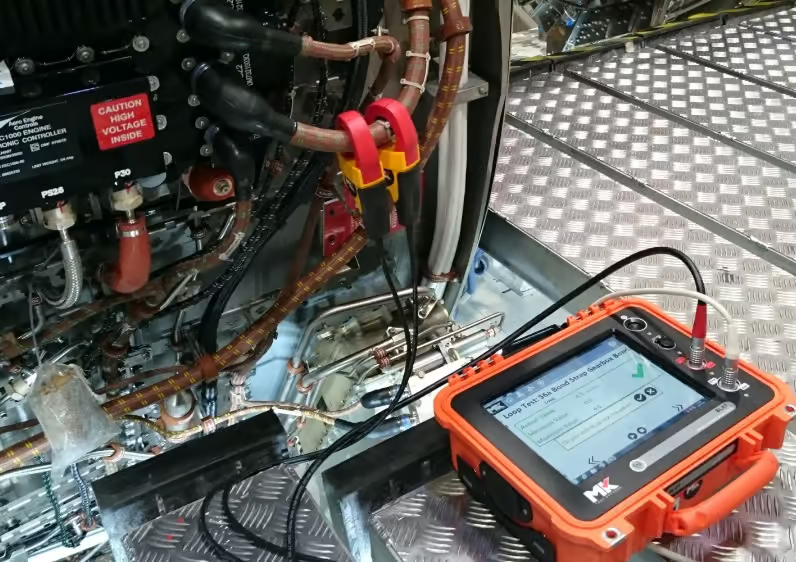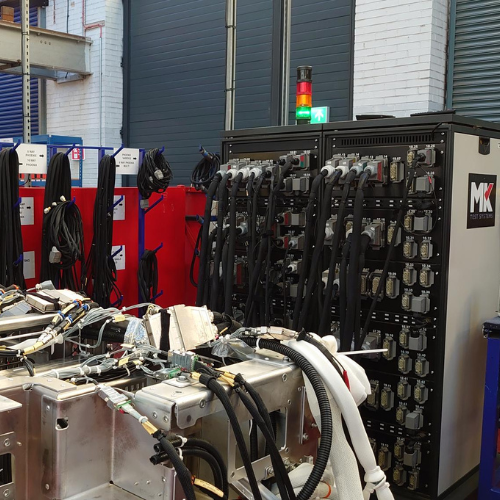
Modern electrical systems depend heavily on wiring harnesses to transmit power and signals reliably. From aircraft and rail systems to automotive and industrial equipment, these assemblies form the backbone of electrical connectivity.
However, the complexity of wiring harnesses means that even minor faults can lead to major failures. This is why testing is not just a quality step but a critical requirement in manufacturing.
Without robust testing processes, manufacturers risk defects, system failures, and costly rework. Understanding why testing matters, and how to do it effectively, is essential for maintaining performance and safety.
What Are Wiring Harnesses?
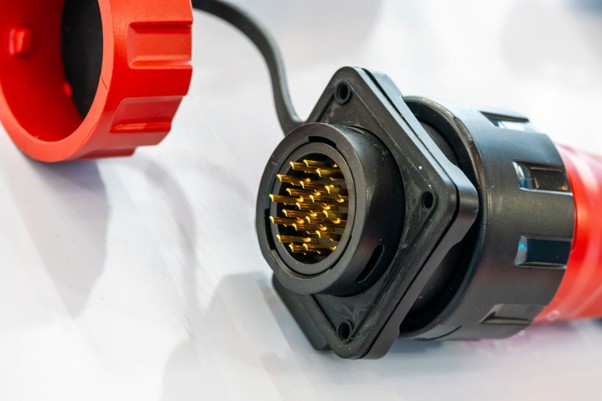
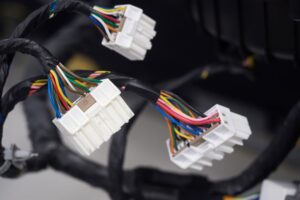
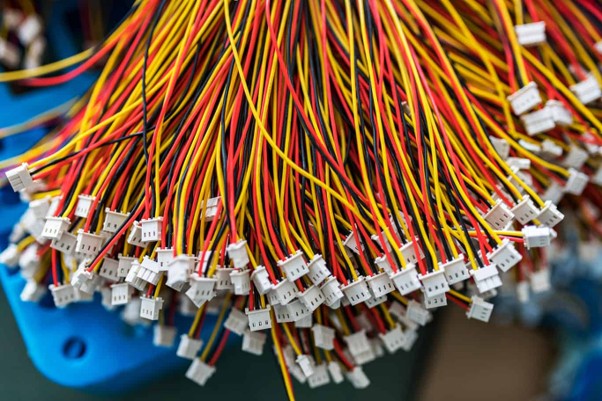
Wiring harnesses are organised bundles of wires, connectors, and terminals designed to transmit electrical power and signals efficiently. They are engineered to fit specific applications, often with tight tolerances and demanding environmental requirements.
Typical applications include:
- Aerospace systems
- Rail and transport infrastructure
- Automotive electronics
- Industrial machinery
- Energy and power systems
Because these systems often operate in high-stress environments, the reliability of wiring harnesses is non-negotiable.
Why Testing Wiring Harnesses Is Essential
Complexity Increases Risk
As systems become more advanced, wiring harnesses become more complex. This increases the likelihood of manufacturing defects such as:
- Incorrect wiring connections
- Poor crimping
- Insulation damage
- Missing or misaligned components
Even a single fault can compromise the entire system.
Safety-Critical Applications
In industries like aerospace or rail, faulty wiring harnesses can lead to serious safety incidents. For example:
- Incorrect signal transmission affecting control systems
- Power failures in critical components
- Electrical faults leading to overheating or fire
Testing ensures that every harness meets strict safety requirements before it is deployed.
Cost of Failure
The cost of failure extends far beyond the initial defect. It can include:
- Production delays
- Warranty claims
- Product recalls
- Damage to brand reputation
Real-world scenario
Imagine a rail system where a wiring harness fault causes intermittent signal loss. Diagnosing the issue after installation can take days or weeks, disrupting services and increasing costs. In contrast, identifying the issue during manufacturing takes minutes.
Testing at the right stage prevents these downstream problems.
Common Faults Found in Wiring Harnesses
Understanding common issues highlights why testing is so important.
Connection faults
Loose or incorrect connections can lead to intermittent failures or complete loss of functionality.
Continuity issues
Breaks in wiring can prevent signals or power from reaching their destination. These faults are not always visible without testing.
Insulation damage
Damaged insulation can cause short circuits or leakage currents, increasing safety risks.
Component mismatches
Incorrect components or connectors can compromise compatibility and performance.
How Automated Testing Improves Wiring Harness Quality
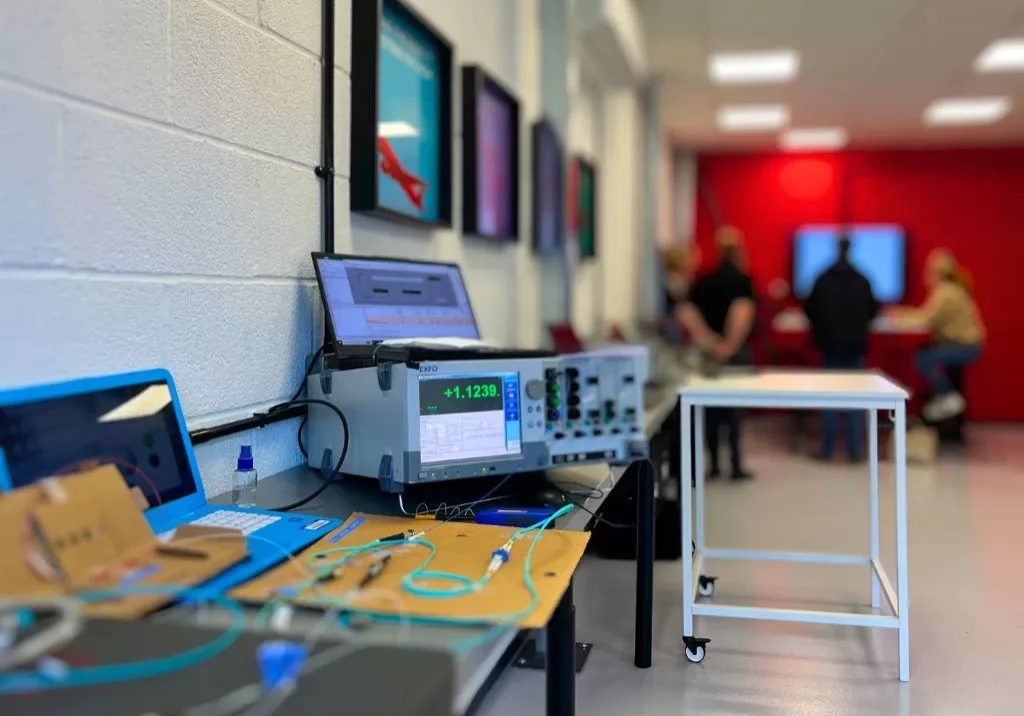
Manual inspection alone is not sufficient for modern manufacturing. Automated testing systems provide a higher level of accuracy and consistency.
Key benefits of automation
- Fast and repeatable testing processes
- Detection of faults that are not visible to the eye
- Reduced human error
- Comprehensive test coverage
Automated systems can perform multiple tests simultaneously, including continuity testing, insulation resistance testing, and functional checks.
What happens without automation?
Relying solely on manual testing can lead to:
- Missed defects
- Inconsistent results
- Slower production times
- Increased labour costs
In high-volume production environments, these issues can significantly impact efficiency and quality.
Types of Tests for Wiring Harnesses
Different tests are used to ensure complete verification of wiring harnesses.
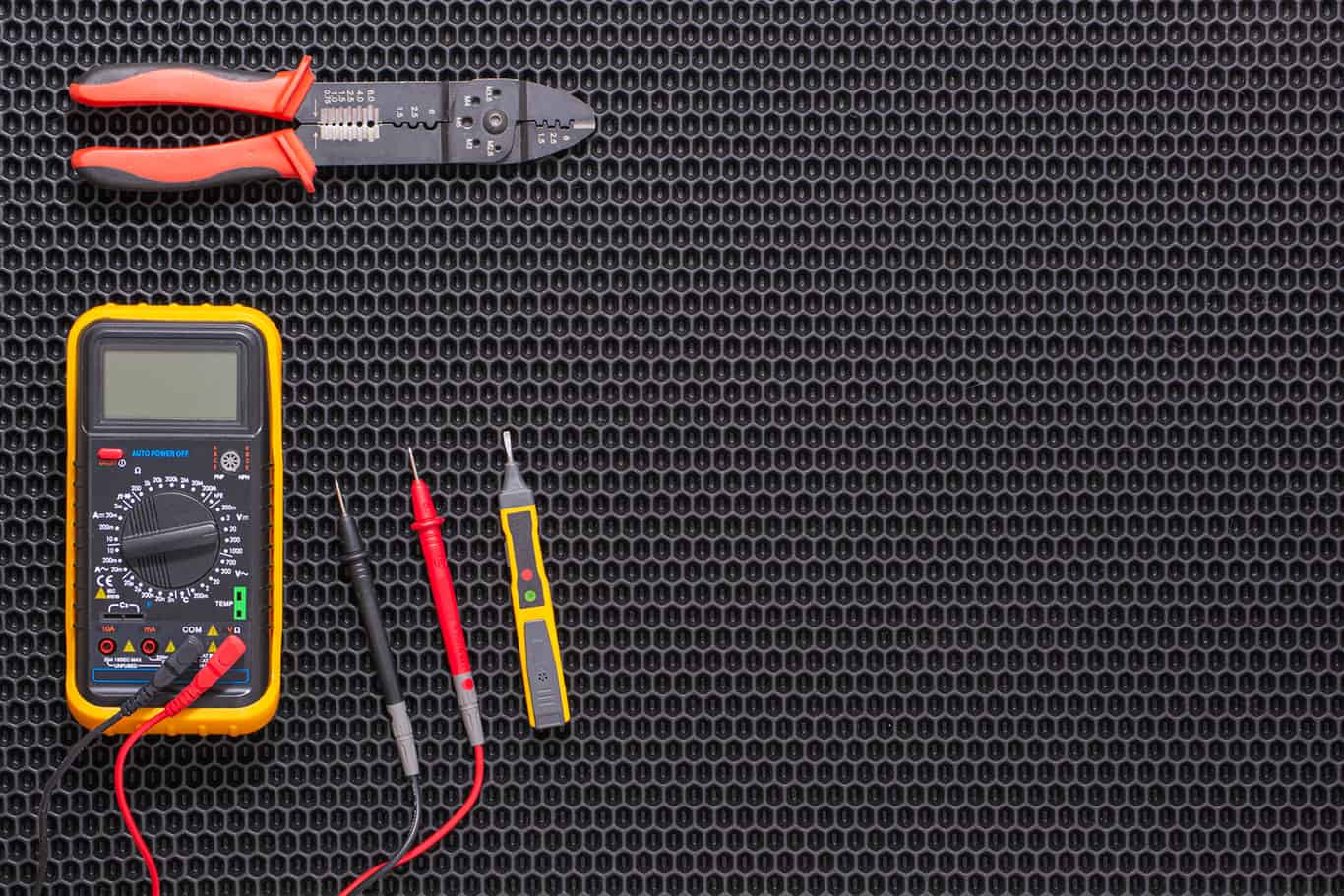
Continuity testing
Verifies that all electrical paths are correctly connected and functioning.
Insulation resistance testing
Checks that insulation is performing correctly and preventing leakage currents.
High voltage testing
Ensures that the harness can withstand operating voltages without breakdown.
Functional testing
Confirms that the harness performs as intended within the system.
Decision-Making: Choosing the Right Testing Approach
Not all testing solutions are equal. Selecting the right approach depends on your production environment and quality requirements.
Good
Basic manual testing for small-scale production.
Better
Semi-automated testing with defined procedures and standardisation.
Best
Fully automated test systems integrated into the production line, providing real-time data and traceability.
Factors to consider
- Production volume
- Complexity of wiring harnesses
- Industry compliance requirements
- Required level of traceability
Choosing the right level of testing can significantly impact both quality and cost efficiency.
What Happens If Wiring Harnesses Are Not Tested Properly?
Skipping or reducing testing can have serious consequences.
Increased failure rates
Undetected faults lead to higher failure rates in the field.
Safety risks
Faulty wiring can cause electrical hazards, particularly in high-power systems.
Higher long-term costs
While testing adds upfront cost, failing to test properly often results in much higher costs later.
Reduced customer confidence
Consistent quality issues can damage trust and impact future business opportunities.
Industries That Rely on Wiring Harness Testing
Testing is particularly critical in industries where reliability and safety are essential.
Aerospace
Strict standards require comprehensive testing to ensure safety and compliance.
Rail
Systems must operate reliably in demanding environments with minimal downtime.
Automotive
High production volumes demand fast and accurate testing processes.
Energy
Electrical systems must perform consistently under varying loads and conditions.
Frequently Asked Questions
Q1: Why is testing wiring harnesses essential in manufacturing?
Testing ensures that all connections are correct, insulation is intact, and the harness performs reliably under operating conditions.
Q2: What are the most common faults in wiring harnesses?
Common faults include incorrect wiring, poor connections, insulation damage, and missing components.
Q3: How does automated testing improve wiring harness quality?
Automated systems provide consistent, repeatable testing and can detect faults that manual inspection may miss.
Q4: What happens if faulty wiring harnesses are not detected?
Undetected faults can lead to system failures, safety risks, and costly repairs or recalls.
Q5: Which industries require strict wiring harness testing?
Industries such as aerospace, rail, automotive, and energy rely heavily on rigorous testing to ensure safety and reliability.
Reliable wiring harnesses are essential for the safe and efficient operation of modern electrical systems. Testing is not just a quality step but a critical safeguard against failure.
By implementing the right testing approach, manufacturers can improve efficiency, reduce costs, and ensure consistent performance across all applications.
Phone: 01823 661 100
Email: sales@mktest.com
Find out more: https://mktest.com/