Electrical systems are designed to operate safely under specific voltage conditions. A dielectric strength test ensures that insulation can withstand these voltages without breaking down.
In high-reliability industries such as aerospace, rail, and energy, insulation failure is not just a technical issue, it is a safety risk. This is why dielectric testing is a core part of both manufacturing and maintenance processes.
Understanding how dielectric strength testing works, what can go wrong, and how to improve results is essential for ensuring system integrity and long-term performance.
What Is a Dielectric Strength Test?
A dielectric strength test, often referred to as a high voltage or hipot test, measures the ability of insulation to withstand electrical stress.
The test works by applying a voltage significantly higher than normal operating levels to the insulation and observing whether it breaks down.
The objective is to confirm:
- The insulation can handle expected operating conditions
- There are no weak points or defects
- The system is safe for use
If the insulation fails during the test, it indicates a problem that must be addressed before the system is put into service.
Why Dielectric Strength Testing Is Important
Preventing Insulation Failure
Insulation breakdown can lead to:
- Short circuits
- Electrical arcing
- Equipment damage
- Fire hazards
A dielectric strength test identifies weaknesses before these issues occur.
Ensuring Safety in High-Risk Environments
In environments where electrical systems operate under high voltage or extreme conditions, safety is critical.
Testing helps ensure:
- Reliable insulation performance
- Protection for operators and equipment
- Compliance with safety standards
For example, guidelines from Health and Safety Executive emphasise the importance of verifying electrical safety in workplace environments.
Supporting Compliance and Certification
Many industries require proof that electrical systems meet specific standards.
Dielectric strength testing provides:
- Documented evidence of performance
- Support for certification processes
- Confidence in system reliability
Common Causes of Dielectric Strength Test Failures
Insulation defects
Manufacturing defects or material inconsistencies can create weak points in insulation.
Contamination
Dust, moisture, or chemical residues can reduce insulation effectiveness.
Mechanical damage
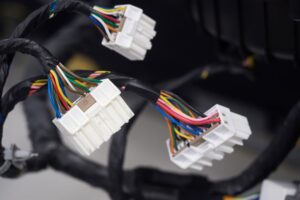
Physical damage to cables or components can compromise insulation integrity.
Ageing and wear
Over time, insulation materials degrade, increasing the risk of failure.
Real-world scenario
In a power distribution system, a cable with minor insulation damage may function under normal conditions. However, when subjected to high voltage during operation, it fails, causing system shutdown and costly repairs.
A dielectric strength test would have identified the issue before deployment.
How to Improve Dielectric Strength Test Accuracy
Use appropriate test voltages
Applying the correct voltage is critical. Too low, and defects may go undetected. Too high, and components may be unnecessarily stressed.
Control environmental conditions
Temperature and humidity can influence test results. Maintaining consistent conditions improves accuracy.
Ensure proper test setup
Correct connections and equipment calibration are essential for reliable results.
Implement automated testing
Automation improves consistency and reduces the risk of human error.
Benefits of automation
- Repeatable test conditions
- Faster testing cycles
- Integrated data recording
- Reduced operator dependency
Manual vs Automated Dielectric Testing
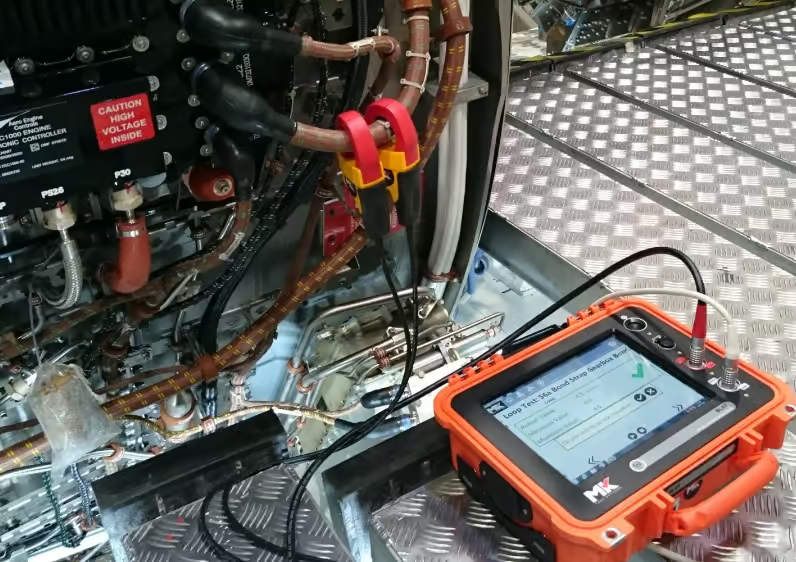
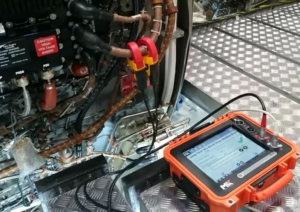
Manual testing
Manual methods are suitable for:
- Small-scale testing
- Field diagnostics
- Simple systems
However, they can introduce variability and limit efficiency.
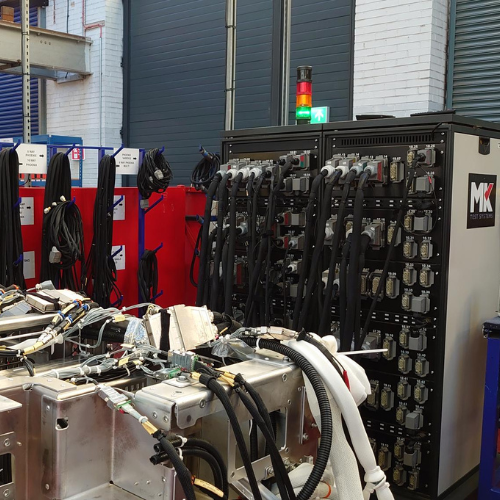
Automated testing systems
Automated systems provide a more advanced approach.
Key advantages
- Consistent voltage application
- Accurate measurement and control
- Integration with other tests
- Enhanced traceability
Good, better, best approach
- Good: Basic manual dielectric testing
- Better: Structured testing with defined procedures
- Best: Fully automated test systems integrated into production
Automation is particularly valuable in high-volume manufacturing and safety-critical applications.
What Happens If Dielectric Testing Is Not Performed?
Skipping dielectric strength testing can lead to serious consequences.
Increased risk of failure
Undetected insulation defects can cause system breakdown during operation.
Safety hazards
Electrical faults can result in shock, fire, or equipment damage.
Higher costs
Failures in the field are far more expensive to fix than issues identified during testing.
Compliance issues
Failure to meet required standards can result in penalties or delays in deployment.
Key Factors That Influence Dielectric Strength
Material properties
Different insulation materials have varying voltage تحمل capabilities.
Thickness of insulation
Thicker insulation generally provides higher مقاومت to electrical stress.
Environmental exposure
Moisture, temperature, and contaminants can reduce dielectric strength.
Operating conditions
Voltage levels, frequency, and load conditions all affect insulation performance.
Understanding these factors helps engineers design and test systems more effectively.
When Should Dielectric Strength Testing Be Performed?
Testing should be carried out at multiple stages:
- During manufacturing
- Before system commissioning
- As part of routine maintenance
- After repairs or modifications
Regular testing ensures ongoing safety and reliability.
Frequently Asked Questions
Q1: What is a dielectric strength test and how does it work?
It applies a high voltage to insulation to verify that it can withstand electrical stress without breaking down.
Q2: Why is dielectric testing important for electrical systems?
It identifies insulation weaknesses, preventing failures, safety hazards, and equipment damage.
Q3: What causes dielectric strength test failures?
Failures are typically caused by insulation defects, contamination, mechanical damage, or ageing.
Q4: How often should dielectric strength testing be performed?
It should be conducted during manufacturing, before commissioning, and as part of routine maintenance.
Q5: Which industries require dielectric strength testing?
Industries such as aerospace, rail, energy, and industrial manufacturing rely on dielectric testing for safety and compliance.
A dielectric strength test is a critical step in ensuring the safety and reliability of electrical systems. By identifying insulation weaknesses early, organisations can prevent failures, reduce costs, and maintain compliance with industry standards.
Advanced automated testing solutions provide a consistent and efficient way to carry out dielectric testing, delivering reliable results across even the most demanding applications.
Phone: 01823 661 100
Email: sales@mktest.com
Find out more: https://mktest.com/