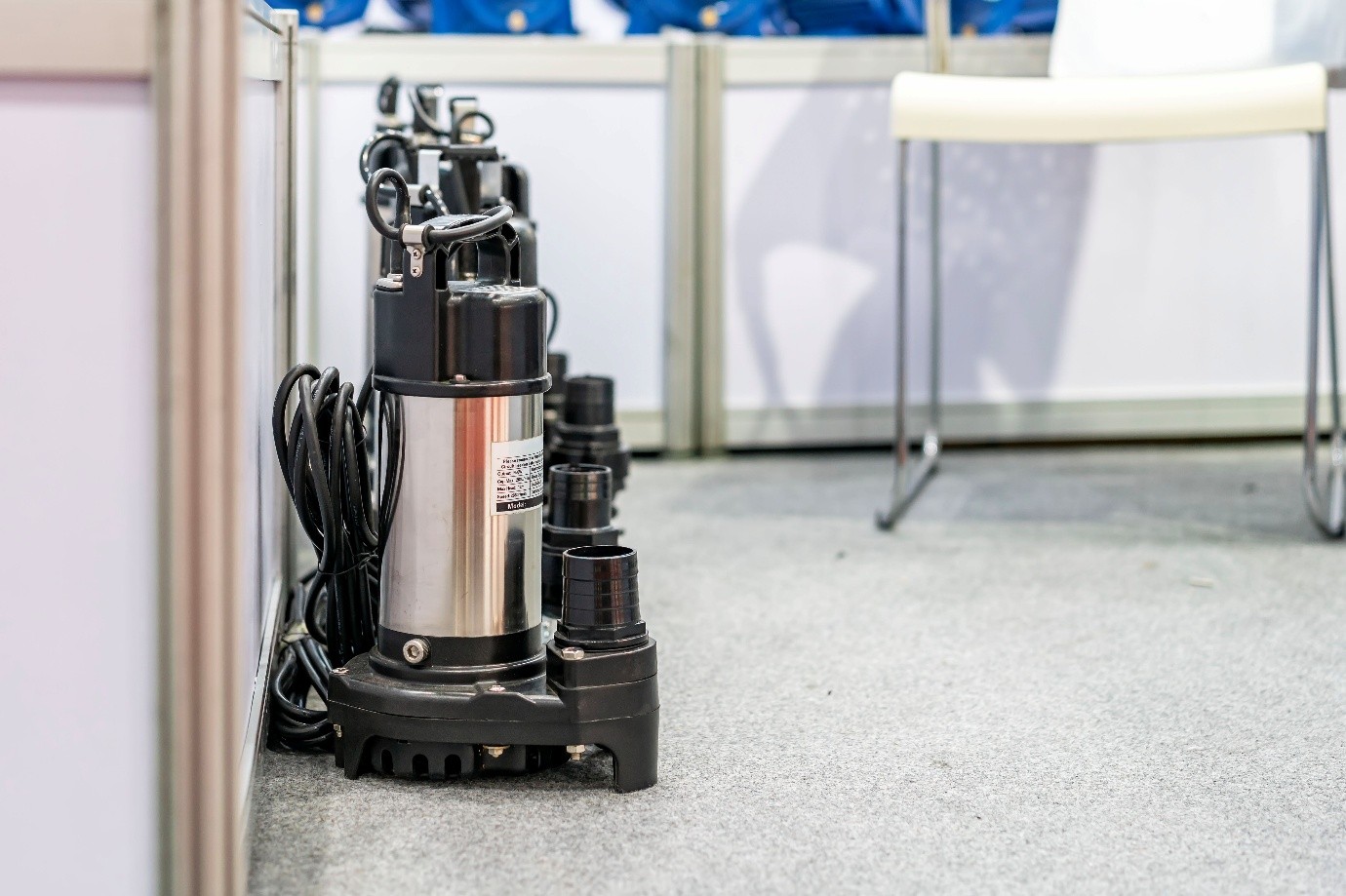
Electric submersible pump systems operate in some of the most demanding environments, from deep oil wells to industrial water applications. At the heart of these systems is the cable, responsible for delivering power under extreme conditions.
Electric submersible pump cable testing is essential to ensure these cables can withstand the stresses they face. Without proper testing, even minor faults can lead to major operational failures, costly downtime, and safety risks.
Understanding how this testing works, and why it is critical, helps operators and manufacturers maintain performance and reliability in challenging environments.
What Is Electric Submersible Pump Cable Testing?
Electric submersible pump cable testing involves assessing the electrical integrity and performance of cables used in submersible pump systems.
These cables must operate reliably under conditions such as:
- High pressure
- Elevated temperatures
- Chemical exposure
- Continuous electrical load
Testing ensures that the cable can maintain performance without degradation or failure.
Why Electric Submersible Pump Cable Testing Is Critical
Preventing System Failure
ESP systems rely entirely on the cable to deliver power. A failure in the cable can stop the entire operation.
Testing helps identify:
- Insulation weaknesses
- Conductor faults
- Potential points of failure
Reducing Downtime
Replacing a failed submersible pump cable is complex and costly. In many cases, it requires shutting down operations and retrieving equipment from deep underground.
Real-world scenario
In an oil extraction operation, a cable failure can halt production for days or weeks. Early detection of insulation degradation through testing allows maintenance teams to act before failure occurs, avoiding significant financial losses.
Ensuring Safety
Electrical faults in harsh environments can pose serious safety risks. Testing ensures that cables operate within safe limits, reducing the risk of:
- Electrical breakdown
- Overheating
- Equipment damage
Common Failures in Submersible Pump Cables
Insulation breakdown
Exposure to heat, pressure, and chemicals can degrade insulation over time.
Conductor damage
Mechanical stress and vibration can cause internal damage to conductors.
Moisture ingress
Water penetration can significantly reduce insulation resistance and lead to failure.
Thermal stress
High operating temperatures can accelerate ageing and reduce cable lifespan.
Key Tests Used in Electric Submersible Pump Cable Testing
Insulation resistance testing
This test measures the effectiveness of insulation in preventing leakage currents.
Dielectric strength testing
High voltage is applied to ensure the cable can withstand electrical stress without breakdown.
Continuity testing
Ensures that conductors are intact and capable of carrying current.
High voltage testing
Verifies that the cable can handle operating voltages safely.
Dynamic testing
Simulates real operating conditions to identify faults that may not appear during static testing.
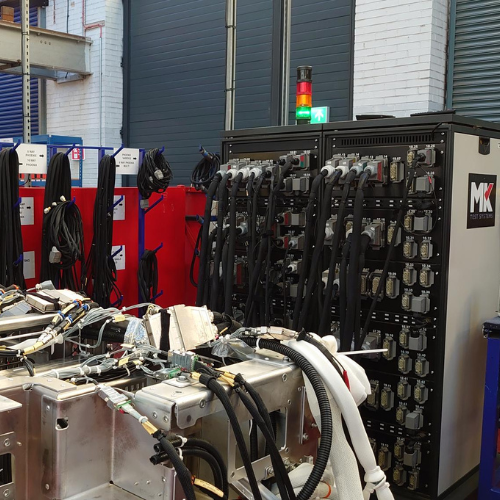
How Automated Testing Improves ESP Cable Testing
Increased accuracy
Automated systems provide precise and repeatable test conditions, improving reliability.
Faster testing processes
Automation reduces testing time, allowing more cables to be tested efficiently.
Comprehensive data collection
Detailed test data enables:
- Trend analysis
- Early fault detection
- Improved maintenance planning
Reduced human error
Automation minimises variability, ensuring consistent results across all tests.
Good, Better, Best: Choosing the Right Testing Approach
Good
Basic manual testing for small-scale or low-risk applications.
Better
Structured testing procedures with calibrated equipment.
Best
Fully automated testing systems integrated into production or maintenance workflows.
Decision factors
When selecting a testing approach, consider:
- Operating environment
- Cable complexity
- Required reliability levels
- Maintenance strategy
For high-risk environments, advanced automated testing is often the most effective solution.
What Happens If ESP Cable Testing Is Inadequate?
Unexpected failures
Undetected faults can lead to sudden system breakdowns.
Increased operational costs
Failures often require expensive repairs and downtime.
Reduced system lifespan
Undiagnosed issues can accelerate wear and reduce cable longevity.
Safety risks
Electrical faults in harsh environments can pose serious hazards.
Factors That Affect ESP Cable Performance
Environmental conditions
Extreme temperatures, pressure, and chemical exposure all impact cable performance.
Installation quality
Improper installation can introduce stress points and reduce reliability.
Load conditions
High electrical loads can increase stress on insulation and conductors.
Maintenance practices
Regular testing and maintenance help extend cable lifespan.
Understanding these factors allows operators to optimise performance and reduce risk.
When Should Electric Submersible Pump Cable Testing Be Performed?
Testing should be carried out at key stages:
- During manufacturing
- Before installation
- As part of routine maintenance
- After repairs or system modifications
Regular testing ensures that cables remain reliable throughout their lifecycle.
Frequently Asked Questions
Q1: What is electric submersible pump cable testing?
It is the process of testing ESP cables to ensure they can safely and reliably deliver power under demanding conditions.
Q2: Why is ESP cable testing critical?
It prevents failures, reduces downtime, and ensures safe operation in harsh environments.
Q3: What are the most common failures in submersible pump cables?
Common failures include insulation breakdown, conductor damage, moisture ingress, and thermal stress.
Q4: How can testing improve ESP system lifespan?
Testing identifies issues early, allowing maintenance before faults lead to failure.
Q5: What environments require specialised cable testing methods?
Harsh environments such as oil wells, deep water systems, and industrial applications require specialised testing.
Electric submersible pump cable testing is essential for maintaining reliability in some of the most challenging operating conditions. By identifying faults early and implementing robust testing strategies, organisations can reduce downtime, improve safety, and extend system lifespan.
Advanced automated testing solutions provide the consistency and accuracy needed to ensure reliable performance across demanding applications.
Phone: 01823 661 100
Email: sales@mktest.com
Find out more: https://mktest.com/