In any electrical system, ensuring a complete and uninterrupted path for current flow is fundamental. Continuity testing is one of the most widely used methods to verify that circuits are correctly connected and functioning as intended.
However, continuity testing itself can fail or produce misleading results if not carried out correctly. These failures can lead to undetected faults, system malfunctions, and costly downtime.
Understanding the causes of continuity testing failures and how to prevent them is essential for improving reliability and maintaining high-quality standards in manufacturing and maintenance environments.
What Is Continuity Testing?
Continuity testing checks whether an electrical circuit is complete. It confirms that current can flow from one point to another without interruption.
A typical continuity test identifies:
- Broken wires or open circuits
- Poor or loose connections
- Incorrect wiring paths
It is commonly used in:
- Wiring harness validation
- PCB assembly testing
- Industrial equipment maintenance
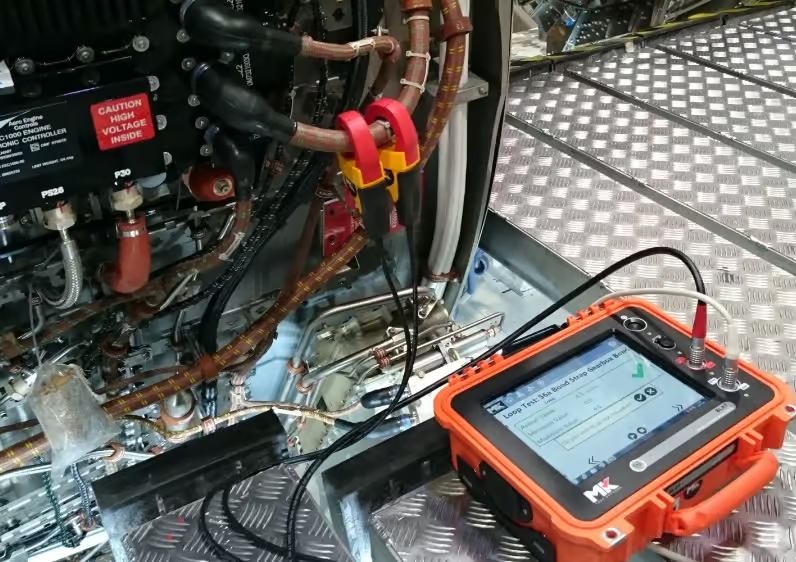
- Aerospace and rail system checks
While the concept is simple, achieving accurate results requires precision and consistency.
Why Continuity Testing Failures Matter
When continuity testing fails or produces inaccurate results, the consequences can be significant.
Hidden faults remain undetected
A faulty test may incorrectly indicate that a circuit is complete, allowing defects to pass through production.
False failures increase rework
Incorrect test results can lead to unnecessary troubleshooting and rework, slowing down production.
Safety risks increase
In safety-critical systems, undetected continuity faults can lead to malfunction or failure during operation.
Real-world scenario
Consider an automotive wiring harness where a loose connection is intermittently breaking continuity. If the test fails to detect this, the issue may only appear under vibration during operation, leading to system failure in the field.
Effective continuity testing prevents these risks by identifying faults before deployment.
Common Causes of Continuity Testing Failures
Poor test connections
One of the most frequent issues is improper contact between the test probes and the circuit.
This can result in:
- Inconsistent readings
- False open circuit results
- Missed intermittent faults
Damaged or worn test equipment
Test equipment that is not properly maintained can introduce errors.
Examples include:
- Worn probes
- Faulty connectors
- Calibration drift
Intermittent faults
Some faults only appear under certain conditions, such as movement or temperature changes.
These are particularly challenging because:
- They may not be detected during static testing
- They can cause unpredictable system behaviour
Incorrect test parameters
Using the wrong test settings can lead to inaccurate results.
For example:
- Insufficient test current may fail to detect high-resistance faults
- Incorrect thresholds may classify good circuits as faulty
Human error in manual testing
Manual testing relies heavily on operator consistency.
Variations in:
- Probe placement
- Pressure applied
- Test timing
can all affect results.
How to Prevent Continuity Testing Failures
Standardise testing procedures
Clear, repeatable procedures reduce variability and improve consistency.
This includes:
- Defined test points
- Consistent test conditions
- Documented acceptance criteria
Use high-quality, calibrated equipment
Reliable equipment is essential for accurate testing.
Regular calibration ensures:
- Consistent performance
- Accurate measurements
- Compliance with standards
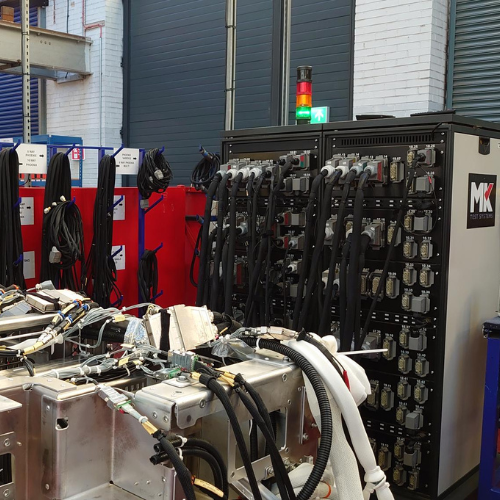
Implement automated testing systems
Automation is one of the most effective ways to eliminate testing errors.
Benefits of automation
- Consistent test execution
- Detection of intermittent faults through dynamic testing
- Faster testing cycles
- Reduced reliance on operator skill
Automated systems can perform continuity testing alongside other checks, such as insulation resistance and high voltage testing, providing a comprehensive solution.
Introduce dynamic testing
Static tests may not reveal all faults. Dynamic testing simulates real operating conditions.
This helps identify:
- Intermittent connections
- Faults under vibration or load
- Temperature-related issues
Manual vs Automated Continuity Testing
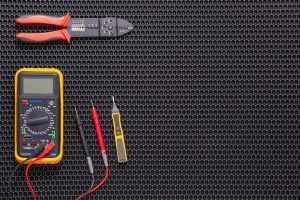
Manual testing
Manual methods are suitable for:
- Low-volume production
- Simple circuits
- Field diagnostics
However, they can be inconsistent and time-consuming.
Automated testing
Automated systems are ideal for:
- High-volume manufacturing
- Complex wiring systems
- Applications requiring traceability
Good, better, best approach
- Good: Basic manual continuity testing
- Better: Structured manual testing with defined procedures
- Best: Fully automated testing integrated into production
Automation not only improves accuracy but also enhances overall efficiency.
The Cost of Poor Continuity Testing
Failing to address continuity testing issues can have serious financial and operational impacts.
Increased rework and scrap
Undetected faults lead to defective products, increasing waste and rework costs.
Production delays
Time spent diagnosing issues slows down production and affects delivery schedules.
Warranty and recall costs
Faults that reach the field can result in expensive recalls and warranty claims.
Damage to reputation
Consistent quality issues can reduce customer confidence and harm brand reputation.
Decision-Making: When to Upgrade Your Testing Process
If your current continuity testing approach is not delivering consistent results, it may be time to reassess.
Signs of a problem
- High levels of rework or scrap
- Frequent intermittent faults
- Inconsistent test results
- Lack of traceability
Benefits of upgrading
- Improved fault detection
- Reduced costs over time
- Faster production cycles
- Enhanced product reliability
Investing in advanced continuity testing solutions can provide measurable improvements in both quality and efficiency.
Frequently Asked Questions
Q1: What causes continuity testing failures?
Failures are often caused by poor test connections, faulty equipment, incorrect test parameters, or intermittent faults in the circuit.
Q2: How can continuity testing errors be prevented?
Errors can be reduced by standardising procedures, using calibrated equipment, and implementing automated testing systems.
Q3: What are the risks of failed continuity testing in production?
Undetected faults can lead to system failures, safety risks, increased costs, and damage to reputation.
Q4: How does automated continuity testing improve accuracy?
Automation ensures consistent test execution, reduces human error, and can detect faults that manual testing may miss.
Q5: Which industries rely heavily on continuity testing?
Industries such as aerospace, automotive, rail, and industrial manufacturing depend on continuity testing to ensure system reliability.
Continuity testing is a critical step in ensuring electrical system integrity, but only when it is performed correctly. By understanding common failure points and implementing robust testing strategies, organisations can significantly improve reliability and reduce risk.
Advanced automated test systems offer a practical way to eliminate inconsistencies, detect faults earlier, and maintain high standards across complex electrical systems.
Phone: 01823 661 100
Email: sales@mktest.com
Find out more: https://mktest.com/