An electrical slip ring is a critical component in systems that require continuous rotation while transmitting power or signals. Found in applications ranging from wind turbines to aerospace systems, slip rings enable uninterrupted electrical connectivity in dynamic environments.
However, due to their moving parts and exposure to wear, slip rings are particularly vulnerable to faults. Without proper testing, these faults can lead to system failures, downtime, and costly repairs.
Understanding how to test an electrical slip ring effectively is essential for maintaining performance, reliability, and safety.
What Is an Electrical Slip Ring?
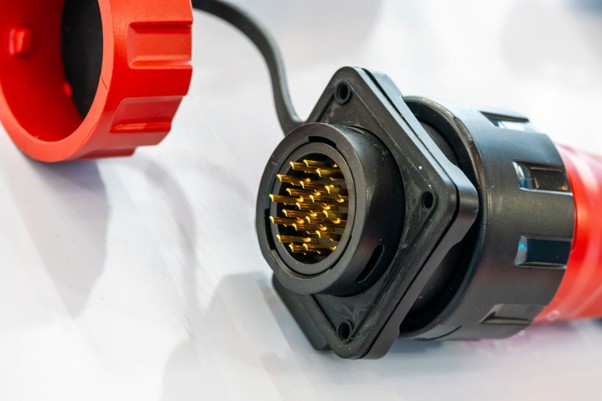
An electrical slip ring is a rotary joint that allows electrical signals and power to pass between stationary and rotating parts.
It typically consists of:
- Conductive rings mounted on a rotating shaft
- Brushes or contacts that maintain electrical connection
- Insulating materials separating conductive paths
Slip rings are used in:
- Wind energy systems
- Industrial machinery
- Radar and communication systems
- Aerospace and defence applications
Because they operate under continuous movement, they are subject to mechanical wear and environmental stress.
Why Testing an Electrical Slip Ring Is Important
Preventing System Failure
Slip rings are often part of critical systems. A failure can disrupt operations and cause significant downtime.
Testing helps identify:
- Worn contacts
- Electrical resistance issues
- Signal degradation
Maintaining Signal Integrity
In applications involving data transmission, even minor inconsistencies can affect performance.
Testing ensures:
- Stable signal transmission
- Minimal electrical noise
- Reliable system operation
Extending Component Lifespan
Regular testing allows for early detection of wear, enabling maintenance before failure occurs.
Real-world scenario
In a wind turbine, a slip ring transfers power and data from the rotating blades. If contact wear goes undetected, it can lead to intermittent faults, reducing efficiency and potentially shutting down the turbine for repairs.
Routine testing helps prevent such disruptions.
Common Faults in Electrical Slip Rings
Contact wear
Continuous movement causes brushes and rings to wear over time, increasing resistance and reducing efficiency.
Contamination
Dust, moisture, or debris can interfere with electrical contact, leading to inconsistent performance.
Electrical noise
Poor contact or worn components can introduce noise, affecting signal quality.
Mechanical misalignment
Misalignment can cause uneven wear and reduce the effectiveness of electrical connections.
How to Test an Electrical Slip Ring Effectively
Continuity testing
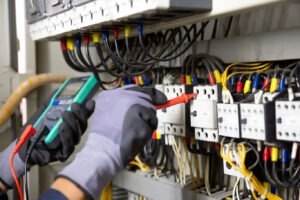
Continuity testing verifies that electrical paths are intact and functioning correctly.
It helps identify:
- Broken connections
- Intermittent faults
- Wiring issues
Resistance measurement
Measuring resistance across contacts provides insight into wear and performance.
High resistance may indicate:
- Worn contacts
- Poor connections
- Contamination
Insulation resistance testing
This test ensures that insulation between conductive paths is intact, preventing leakage currents.
Dynamic testing under rotation
Static tests may not reveal all faults. Testing while the slip ring is rotating helps identify:
- Intermittent contact issues
- Performance under real operating conditions
- Variations in signal quality
Signal integrity testing
For systems transmitting data, analysing signal quality ensures reliable communication.
Manual vs Automated Slip Ring Testing
Manual testing
Manual methods are useful for:
- Basic inspections
- Field maintenance
- Small-scale systems
However, they can be limited by:
- Inconsistent results
- Difficulty detecting intermittent faults
- Time-consuming processes
Automated testing systems
Automated systems provide a more comprehensive approach.
Key advantages
- Consistent test execution
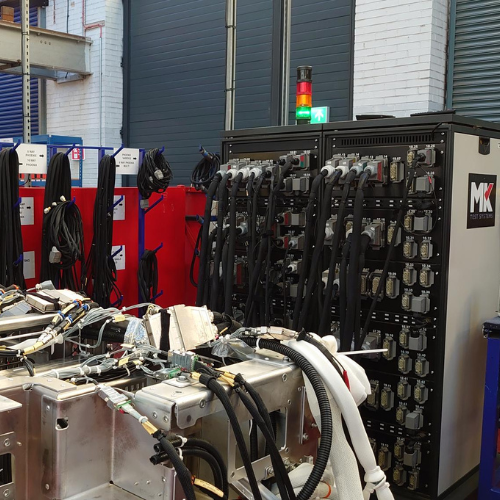
- Real-time monitoring during rotation
- Integration of multiple test types
- Detailed data logging
Automation is particularly valuable in complex or high-reliability applications.
Good, better, best approach
- Good: Basic manual testing
- Better: Structured testing with defined procedures
- Best: Fully automated systems with dynamic testing capabilities
The more advanced the testing approach, the more reliable the results.
What Happens If Slip Rings Are Not Tested Properly?
Increased failure rates
Undetected faults can lead to unexpected system failures.
Reduced performance
Wear and contamination can degrade efficiency and signal quality.
Higher maintenance costs
Reactive maintenance is often more expensive than preventative testing.
Operational downtime
Failures in critical systems can result in significant downtime and lost productivity.
Key Factors That Affect Slip Ring Performance
Operating environment
Exposure to dust, moisture, or extreme temperatures can accelerate wear.
Load conditions
Higher electrical loads can increase wear and stress on components.
Rotational speed
Faster rotation can lead to increased friction and wear.
Maintenance practices
Regular maintenance and testing extend the lifespan of slip rings.
Understanding these factors helps optimise both performance and reliability.
When Should Slip Ring Testing Be Performed?
Testing should be integrated into a regular maintenance schedule.
Typical intervals include:
- During installation and commissioning
- As part of routine maintenance
- After repairs or component replacement
- When performance issues are detected
Regular testing ensures that faults are identified early and addressed promptly.
Frequently Asked Questions
Q1: How do you test an electrical slip ring?
Testing involves continuity checks, resistance measurement, insulation testing, and dynamic testing under rotation.
Q2: What are common faults in electrical slip rings?
Common faults include contact wear, contamination, electrical noise, and mechanical misalignment.
Q3: How can slip ring testing prevent system failures?
Testing identifies wear and faults early, allowing maintenance before failure occurs.
Q4: What tools are used to test electrical slip rings?
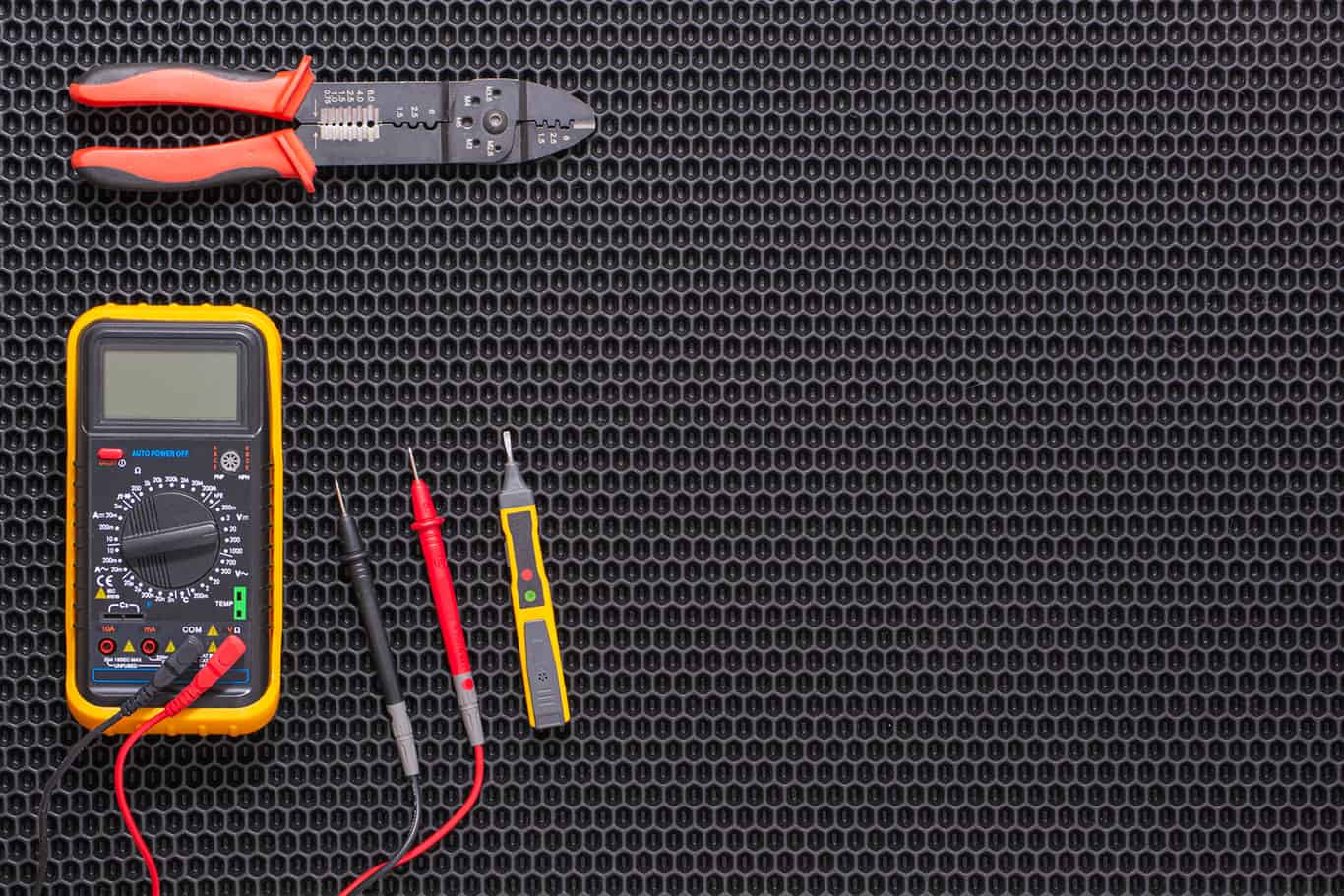
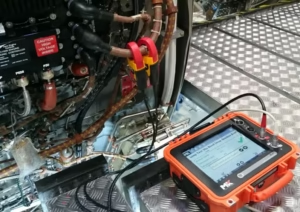
Tools include continuity testers, insulation resistance testers, and automated test systems.
Q5: How often should slip rings be tested and maintained?
Testing should be performed during installation, routine maintenance, and whenever performance issues arise.
Electrical slip rings are essential components in many critical systems, but their reliability depends on effective testing and maintenance.
By implementing structured and automated testing processes, organisations can improve performance, reduce downtime, and extend the lifespan of their systems.
Phone: 01823 661 100
Email: sales@mktest.com
Find out more: https://mktest.com/