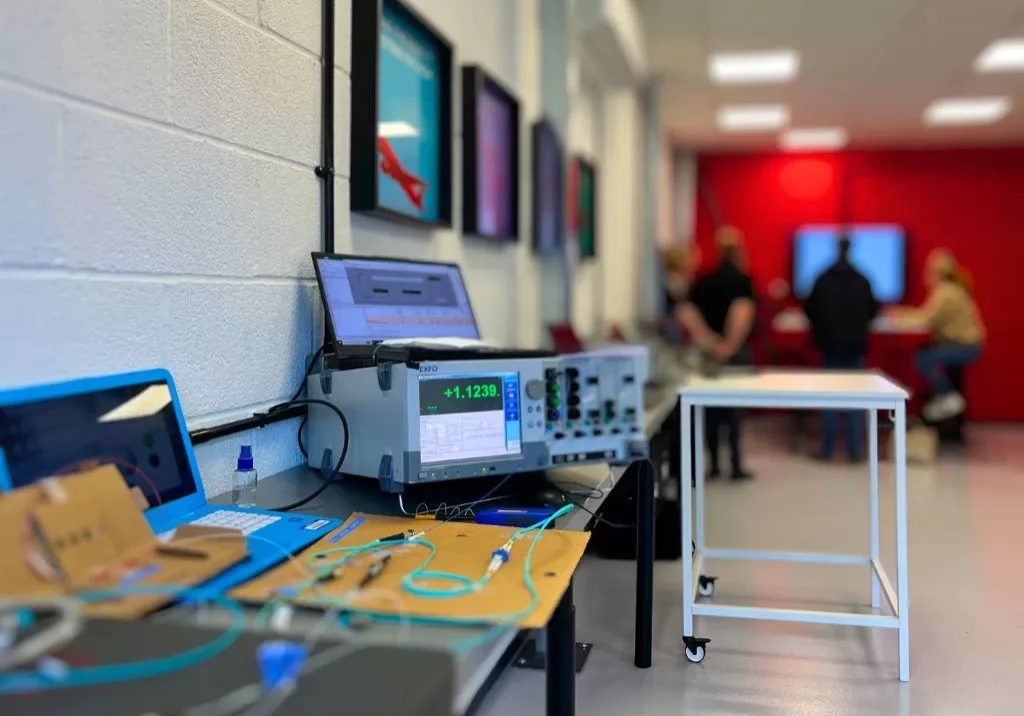
Electrical safety is not something organisations can afford to treat as optional. Whether in aerospace, rail, automotive, or energy applications, the integrity of insulation is critical. An insulation resistance tester plays a central role in identifying hidden faults before they escalate into serious failures.
From preventing equipment damage to protecting personnel, insulation resistance testing is a fundamental part of modern electrical maintenance and production environments. But how exactly does it improve safety, and what happens when it is overlooked?
What Is an Insulation Resistance Tester?
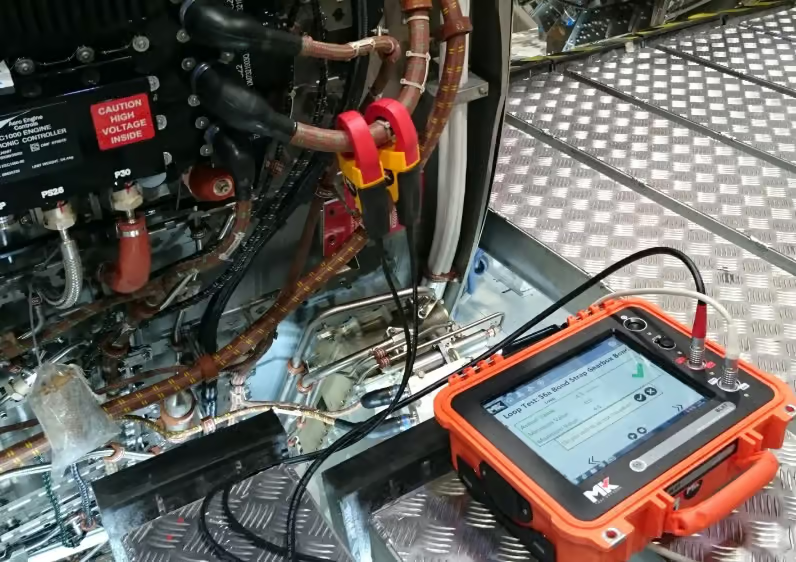
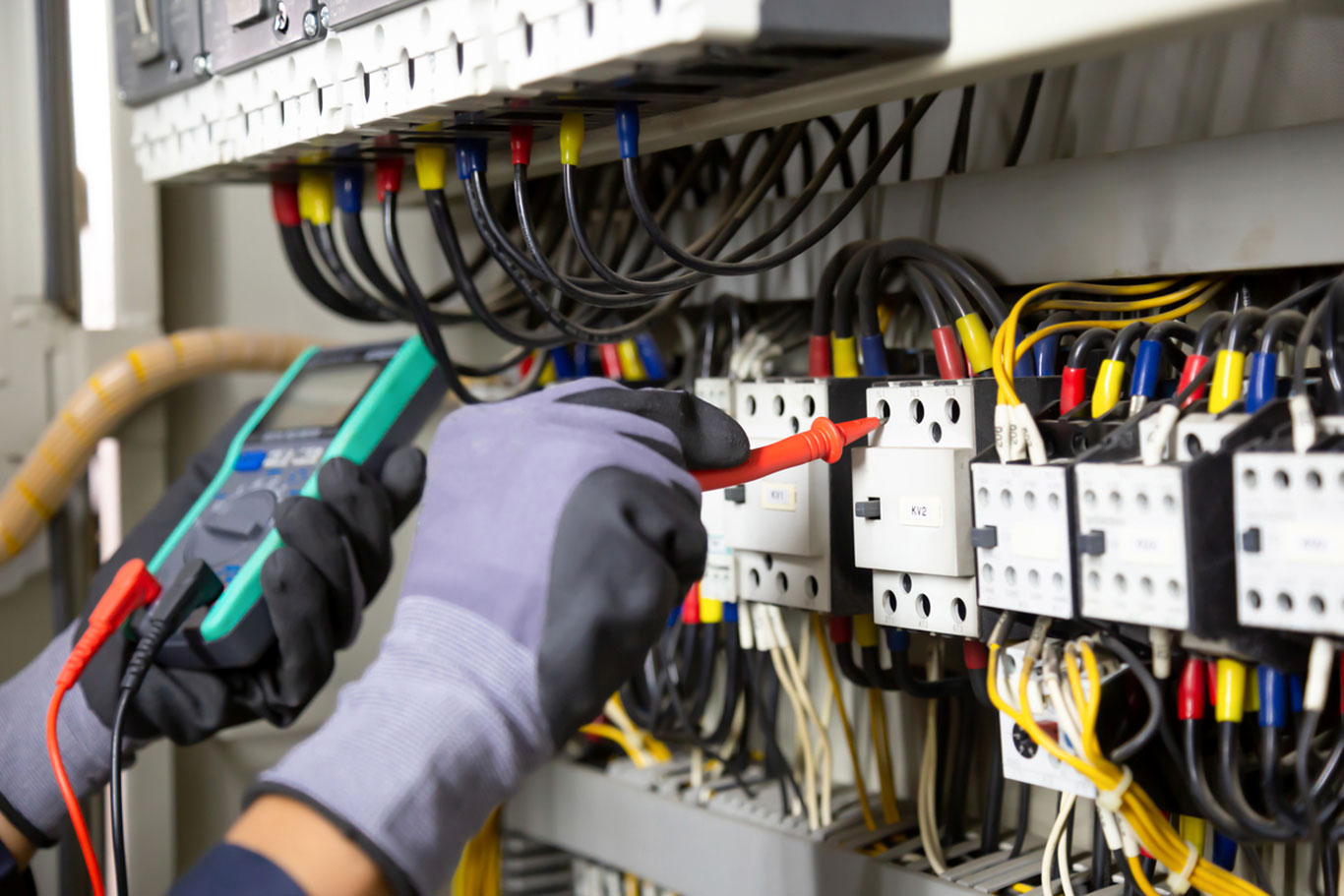
An insulation resistance tester measures the resistance of electrical insulation between conductors and ground. It applies a controlled DC voltage and calculates how effectively the insulation prevents current leakage.
In simple terms, it answers a critical question:
Is the insulation doing its job properly?
This type of testing is widely used in:
- Aircraft wiring systems
- Rail and transport electrical networks
- Industrial machinery
- Power generation and distribution systems
Without reliable insulation, even a well-designed system can become hazardous.
Why Insulation Resistance Matters for Safety
Electrical insulation degrades over time due to environmental factors, mechanical stress, and operational demands. When insulation weakens, the risk of leakage current increases.
This can lead to:
- Electric shock hazards
- Short circuits
- Fire risks
- Equipment failure
- Unexpected downtime
An insulation resistance tester allows engineers to detect these issues early, often before any visible signs appear.
Real-world scenario
Consider an aircraft wiring system exposed to temperature extremes and vibration. Over time, insulation may crack or absorb moisture. Without testing, these issues remain hidden until a failure occurs mid-operation, potentially grounding aircraft and creating safety risks.
Regular insulation resistance testing identifies degradation early, allowing corrective action before critical failure.
How Insulation Resistance Tester Systems Improve Safety
Early Fault Detection
The most significant safety benefit is early fault identification. Insulation faults rarely occur instantly. They develop gradually, often going unnoticed.
By using an insulation resistance tester, teams can:
- Detect declining insulation performance
- Identify moisture ingress or contamination
- Monitor long-term degradation trends
This proactive approach prevents failures rather than reacting to them.
Prevention of Electrical Hazards
Poor insulation is a leading cause of electrical accidents. Leakage currents can energise exposed surfaces, creating shock hazards.
Testing helps ensure:
- Safe operating conditions
- Compliance with safety standards
- Reduced risk to maintenance personnel
In high-voltage environments, even minor insulation breakdowns can have serious consequences. Regular testing significantly reduces this risk.
Protection of High-Value Equipment
Electrical systems in industries such as aerospace or energy involve high-value components. Failures caused by insulation breakdown can result in costly damage.
An insulation resistance tester helps protect equipment by:
- Identifying weak points before failure
- Preventing cascading faults
- Reducing repair and replacement costs
What happens if testing is skipped?
If insulation testing is not performed, small issues can escalate into major failures. For example:
- A minor insulation crack leads to intermittent faults
- The fault damages connected systems
- Production halts while diagnostics are carried out
- Costs increase due to downtime and repairs
In contrast, early detection allows targeted maintenance with minimal disruption.
Improved Reliability in Critical Systems
In mission-critical environments, reliability is directly linked to safety. Systems must perform consistently under demanding conditions.
Insulation resistance testing supports reliability by:
- Ensuring consistent electrical performance
- Reducing unexpected failures
- Supporting predictive maintenance strategies
Industries such as aviation and rail depend heavily on this level of reliability to maintain safe operations.
Manual vs Automated Insulation Resistance Testing
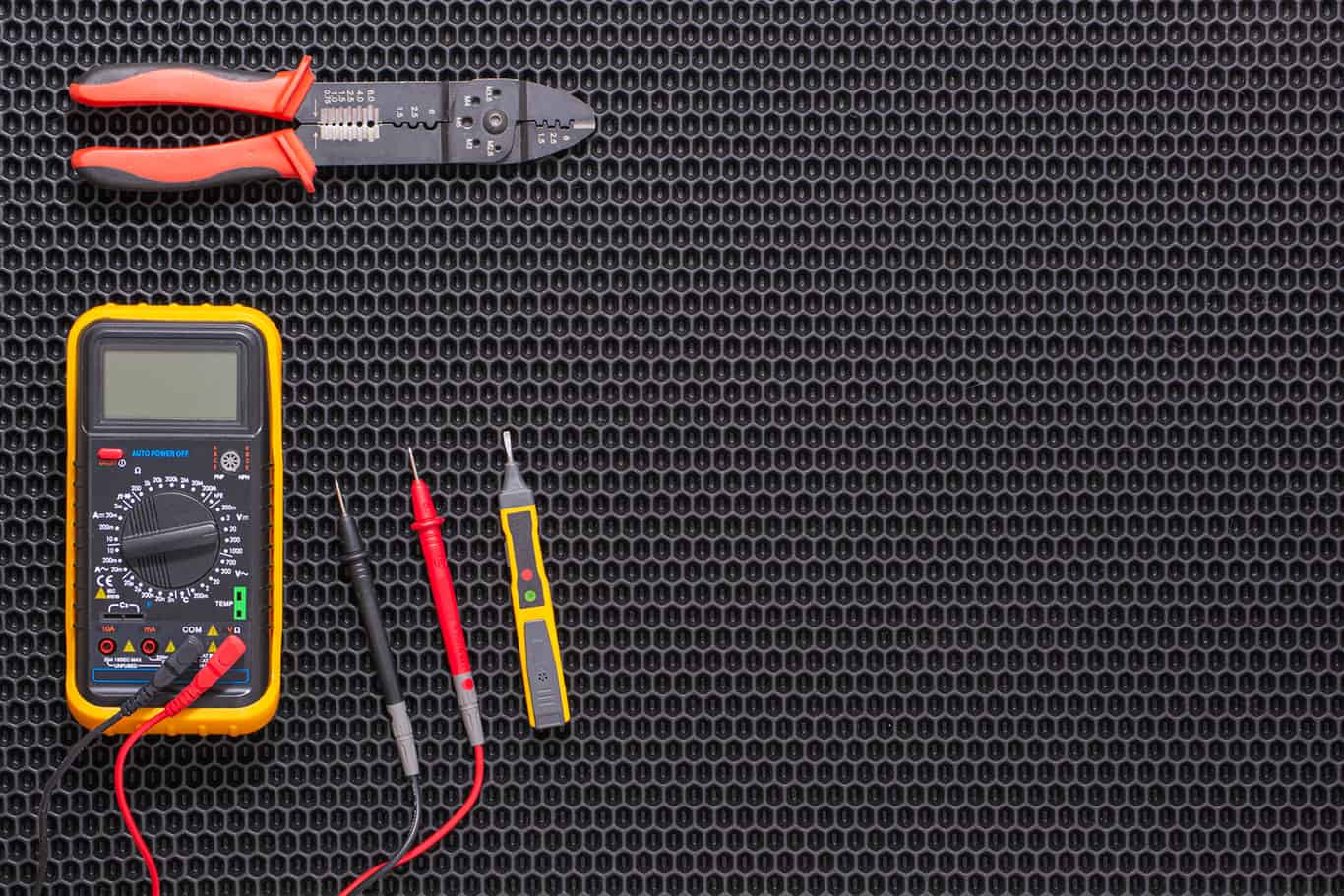
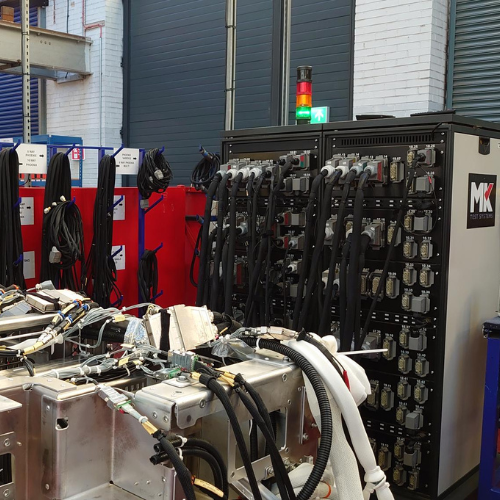
While handheld testers are commonly used, automated systems provide a more robust approach in production and maintenance environments.
Manual testing
Manual testing is suitable for:
- Spot checks
- Field diagnostics
- Small-scale systems
However, it can introduce variability due to operator differences.
Automated testing systems
Automated insulation resistance tester systems offer:
- Consistent test execution
- Faster testing cycles
- Integration with other electrical tests
- Data logging and traceability
For manufacturers and MRO teams, automation improves both safety and efficiency.
Good, better, best approach
- Good: Periodic manual testing
- Better: Scheduled testing with defined procedures
- Best: Fully automated test systems integrated into production or maintenance workflows
The more consistent the testing process, the more reliable the results.
Key Factors That Affect Insulation Performance
Understanding what causes insulation degradation helps highlight why testing is essential.
Environmental conditions
- Moisture and humidity
- Temperature fluctuations
- Chemical exposure
Mechanical stress
- Vibration
- Flexing in cable assemblies
- Wear and abrasion
Ageing and contamination
- Dust and debris accumulation
- Insulation material breakdown over time
Each of these factors can gradually reduce insulation resistance, making regular testing essential.
When Should Insulation Resistance Testing Be Performed?
Testing should not be treated as a one-off activity. Instead, it should be integrated into a broader maintenance strategy.
Typical testing points include:
- During manufacturing and assembly
- After installation
- As part of routine maintenance
- Following repairs or modifications
In high-risk environments, more frequent testing may be required to maintain safety standards.
Common Mistakes in Insulation Resistance Testing
Even with the right equipment, testing can be ineffective if not performed correctly.
Using incorrect test voltage
Different systems require different test voltages. Using the wrong level can produce misleading results or damage components.
Ignoring environmental conditions
Temperature and humidity can affect readings. Failing to account for these factors may lead to inaccurate conclusions.
Not tracking results over time
Single test results provide limited insight. Trend analysis is essential for identifying gradual degradation.
Decision-Making: When to Upgrade Your Testing Approach
If your current testing process is reactive or inconsistent, it may be time to consider an upgrade.
Signs you need a better solution
- Frequent unexplained electrical faults
- High maintenance costs
- Lack of test data or traceability
- Inconsistent test results
Benefits of upgrading
- Improved safety compliance
- Faster diagnostics
- Reduced downtime
- Better long-term cost control
Investing in advanced insulation resistance tester systems can deliver measurable ROI through improved efficiency and reduced risk.
Frequently Asked Questions
Q1: How does an insulation resistance tester improve electrical safety?
It detects insulation degradation early, preventing leakage currents, short circuits, and potential shock hazards before they become serious issues.
Q2: What risks are reduced by insulation resistance testing?
Testing reduces risks such as electrical fires, equipment damage, system downtime, and injury to personnel caused by faulty insulation.
Q3: How often should insulation resistance testing be carried out?
The frequency depends on the application, but it is typically performed during manufacturing, installation, routine maintenance, and after repairs.
Q4: What happens if insulation resistance testing is not performed?
Undetected insulation faults can lead to system failure, safety hazards, costly repairs, and operational downtime.
Q5: Which industries rely most on insulation resistance testers?
Industries such as aerospace, rail, automotive, energy, and industrial manufacturing rely heavily on insulation resistance testing to ensure safety and reliability.
Electrical safety starts with understanding the condition of your insulation. An insulation resistance tester provides the insight needed to prevent failures, protect assets, and maintain compliance across demanding applications.
For organisations looking to improve testing efficiency and safety outcomes, advanced automated test systems offer a practical and measurable advantage.
Phone: 01823 661 100
Email: sales@mktest.com
Find out more: https://mktest.com/