Introduction
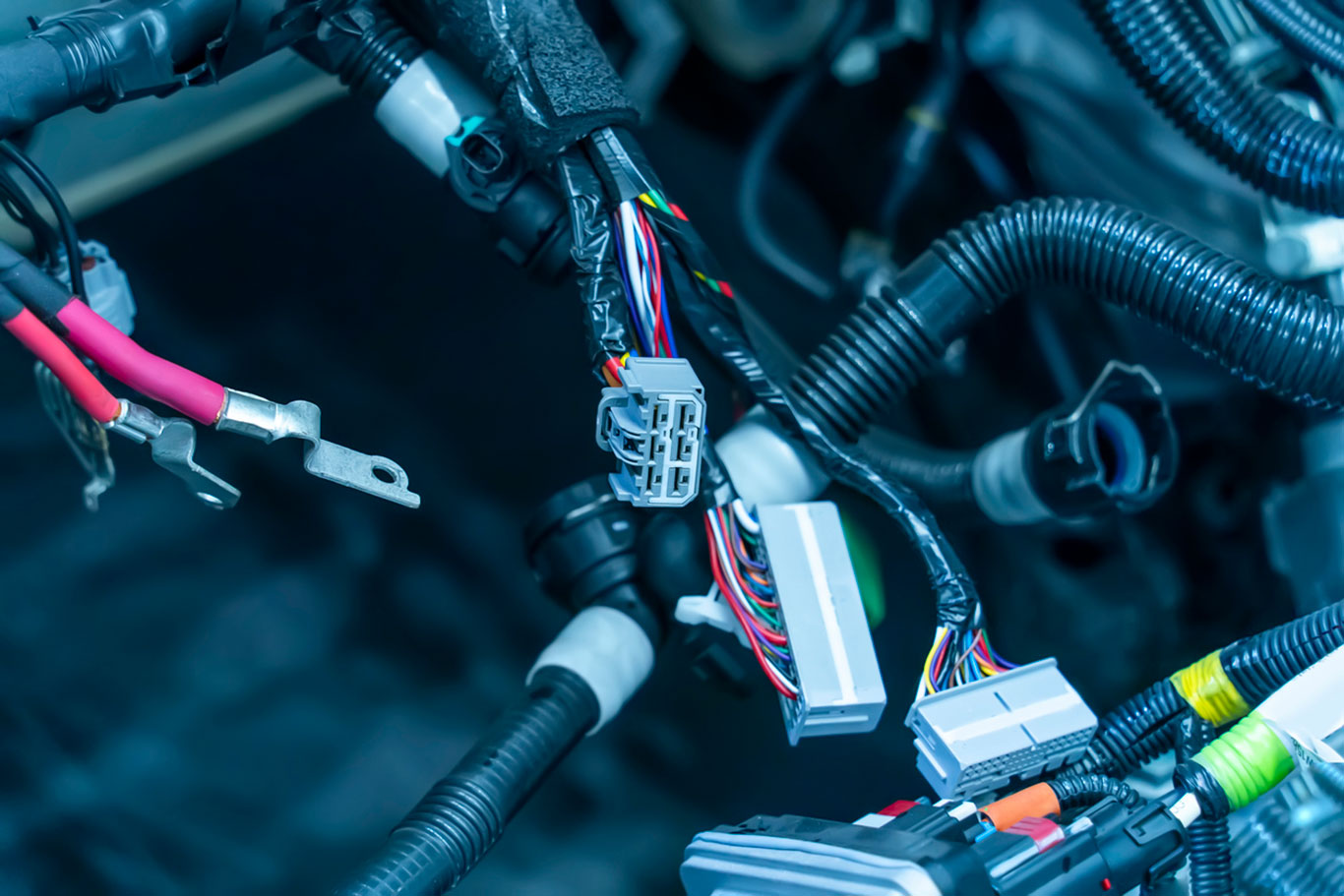
Automotive wire and connectors form the backbone of modern vehicle electrical systems. From engine management systems to lighting, safety features, and infotainment, reliable electrical connections are essential for proper vehicle operation.
Understanding how automotive wiring and connectors work helps technicians, engineers, and vehicle owners maintain safe and dependable electrical systems.
What Are Automotive Wires?
Automotive wires are specialised electrical conductors designed to operate in demanding vehicle environments. They must withstand heat, vibration, moisture, and chemical exposure.
These wires carry electrical power and signals between different vehicle components, ensuring that systems such as ignition, sensors, lighting, and electronic control units function correctly.
Automotive wiring is carefully designed to meet strict durability and safety standards.
The Role of Automotive Connectors
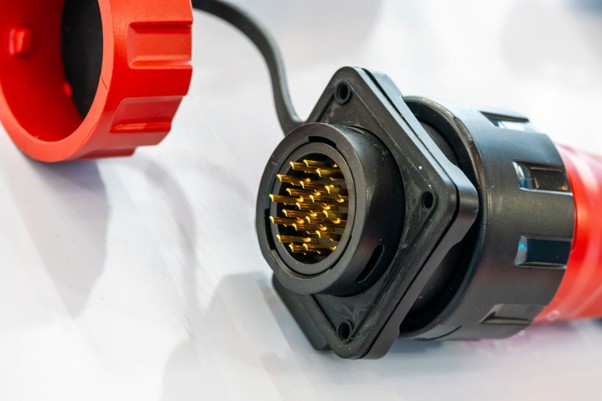
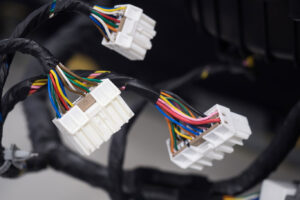
Connectors are the components that join electrical wires together or link wiring harnesses to vehicle systems. They allow electrical signals and power to flow reliably between components.
Automotive connectors must provide secure mechanical connections while maintaining consistent electrical contact. They are designed to resist vibration, corrosion, and environmental exposure.
High-quality connectors ensure long-term reliability in complex vehicle electrical networks.
Why Quality Automotive Wiring Matters
Vehicle electrical systems are becoming increasingly complex. Advanced driver assistance systems, digital dashboards, and hybrid powertrains all rely on robust electrical connections.
Poor wiring or low-quality connectors can cause intermittent faults, electrical failures, and diagnostic issues.
Using properly rated automotive wire and connectors ensures that electrical systems perform reliably throughout the vehicle’s lifespan.
Common Automotive Wiring Applications
Automotive wiring is used throughout the vehicle in many different systems. These include engine control systems, lighting circuits, sensor networks, battery management systems, and communication networks.
Each application requires wiring and connectors that meet specific electrical and environmental requirements.
Environmental Challenges in Vehicles
Vehicle electrical systems operate in harsh conditions. High temperatures near engines, road vibration, moisture exposure, and chemical contaminants can all affect wiring performance.
Automotive wires and connectors must be designed to maintain electrical integrity under these challenging conditions.
Conclusion
Automotive wire and connectors are essential components that support reliable vehicle operation. By providing secure electrical pathways between components, they ensure that complex automotive systems function correctly.
Selecting the correct wiring and connectors is critical for safety, performance, and long-term reliability in modern vehicles.