Introduction
A floating earth system plays a critical role in many sensitive electrical and electronic environments. In applications where accuracy, safety, and interference reduction are essential, a floating earth approach can significantly improve system performance. Understanding why it is used, how it works, and when it is appropriate helps engineers, technicians, and compliance teams make informed decisions.
What Is a Floating Earth System?
A floating earth system is an electrical arrangement where the circuit is not directly connected to the physical ground. Instead, it is electrically isolated from earth potential. This differs from a fixed or grounded system, where the earth reference is directly bonded to ground.
These systems are commonly used where:
- Measurement accuracy is critical
- Electrical noise must be minimised
- Safety risks from ground loops need to be reduced
In many testing and laboratory environments, these designs are preferred because they provide a stable and predictable reference point.
Why It Is Used in Sensitive Systems
Sensitive electrical systems often deal with very small signals, precise measurements, or high-integrity safety requirements. This approach reduces unwanted interference that could compromise results or damage equipment.
Key reasons floating earth systems matter include reduced electrical noise from external sources, improved measurement stability, lower risk of ground loop currents, and enhanced protection for sensitive components.
These benefits make such systems especially valuable in electronics testing, instrumentation, and controlled industrial environments.
Electrical Noise Reduction
One of the main advantages of a floating earth system is its ability to reduce electrical noise. Noise can be introduced through multiple grounding points, especially in complex installations.
When circuits reference different ground potentials, small voltage differences can cause unwanted currents. These currents may distort signals, reduce measurement accuracy, and create unstable electrical conditions.
This approach eliminates direct grounding paths, preventing these unwanted currents from circulating. As a result, signal integrity is improved and measurement results remain more reliable.
Testing and Measurement Environments
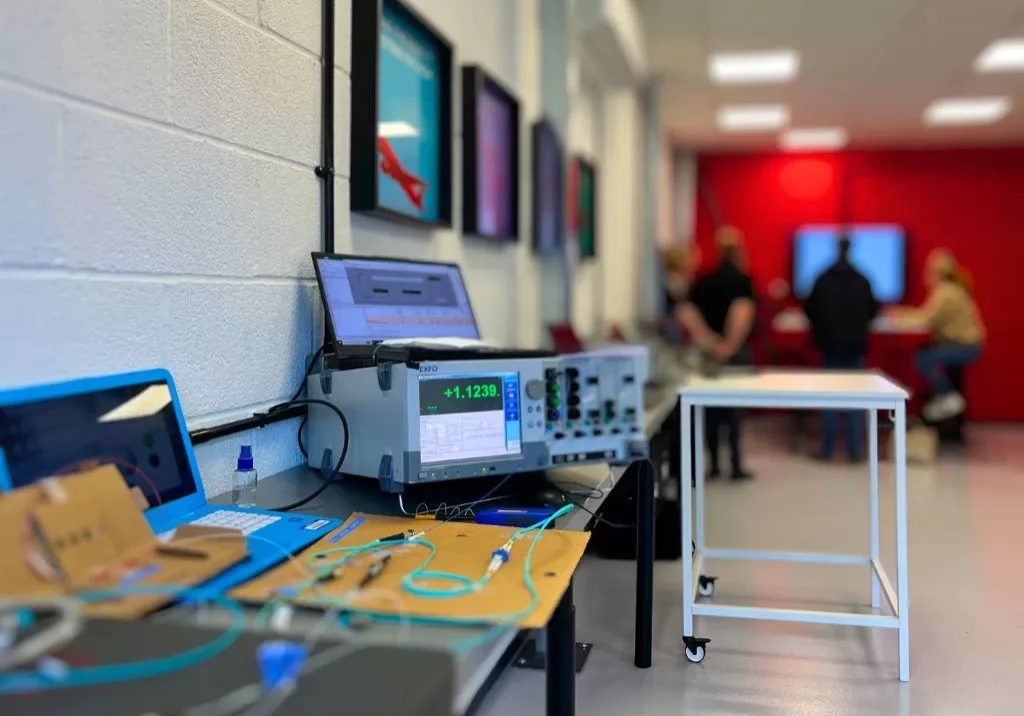
Floating earth configurations are widely used in laboratories and testing facilities. Electrical measurement equipment often requires highly controlled reference conditions to maintain precision.
Common environments where floating earth is used include electronics development labs, calibration facilities, high-precision instrumentation systems, and research environments.
In these applications, such systems help isolate equipment from external disturbances, ensuring measurement results remain accurate and repeatable.
Safety Considerations
While these systems offer several benefits, they must be implemented carefully. Electrical isolation must be designed correctly to avoid potential hazards.
Proper insulation, monitoring systems, and safety procedures are essential to ensure floating circuits do not create unexpected voltage differences or shock risks.
Engineering teams must evaluate whether this approach is appropriate for the specific system and ensure compliance with relevant electrical safety standards.
Conclusion
A floating earth system can significantly improve performance in sensitive electrical environments. By reducing electrical noise, preventing ground loops, and stabilising reference conditions, floating earth designs support accurate measurement and reliable equipment operation.
When implemented correctly, these configurations provide both technical and safety advantages, making them an important concept for engineers and technicians working with advanced electrical systems.